Cost of Building a House in Bijnor 2026: Per sq ft Cost, Material Cost & Budget Planning | UA Map Studio | Civil Engineer & Property Consultant in Seohara, District- Bijnor | Case Studies: Building Costs in Bijnor | Permits and Legal Requirements |
Introduction to House Building Costs in Bijnor
The cost of building a house in Bijnor for the year 2026 is influenced by a multitude of factors that significantly shape the overall expense. Understanding these variables is crucial for prospective homeowners who desire to navigate the real estate landscape effectively. Primarily, the economic climate plays a pivotal role in determining building costs. Economic stability, inflation rates, and availability of materials are all critical components that homeowners must consider when planning their project.
Another significant factor affecting the cost of building a house in Bijnor is the current demand for real estate in the region. With urbanization and population growth, there is a rising demand for housing, which can lead to increased prices. Buyers should be aware that the rise in demand may affect the material costs, labor availability, and ultimately the overall pricing of construction projects. Developers and contractors may raise their rates correspondingly to keep pace with this demand.
Moreover, the selection of materials plays a vital role in determining the final cost of construction. High-quality materials may alleviate long-term maintenance issues, while lower-cost options could lead to decreased durability. Homeowners must balance their preferences for aesthetic appeal and functionality against their budget constraints. Investing in reliable construction resources can greatly influence the longevity and sustainability of the home.
In the next sections of this blog post, we will delve deeper into specific costs associated with building a home in Bijnor, including per square foot costs, and detailed insights into individual material expenses. With guidance from professionals like those at UA Map Studio led by Abdul Ahad, understanding these costs prepares homeowners to make informed decisions in their building journey.

Understanding Per Sq Ft Cost for 2026
The cost of building a house in Bijnor in 2026 is anticipated to be influenced by various factors, leading to variations in the expected per square foot cost. One of the key determinants of cost is location, as the real estate market in different areas of Bijnor will experience fluctuations based on demand, accessibility, and the presence of amenities.
Labor costs also play a critical role in determining the overall expenses associated with construction. High demand for skilled labor can result in increased wages, thereby affecting the per square foot cost. Local construction firms, such as UA Map Studio led by Abdul Ahad, may offer different pricing models that can impact the overall budget for building a house. By engaging experienced contractors, homeowners can optimize labor efficiency, potentially reducing costs in the long run despite initial higher rates.
Additionally, the cost of materials is a significant factor that will impact the overall calculations. Prices for essential building materials such as cement, steel, and bricks may fluctuate due to economic conditions, trade policies, and supply chain issues. Homebuilders need to account for these variables, as they can result in substantial differences in the cost of building a house in Bijnor.
Market demand plays a pivotal role as well; an increase in housing projects and urban development initiatives in Bijnor can inflate prices. As competition rises, understanding the current market trends can aid prospective homeowners in making informed decisions regarding budget and timelines.
To summarize, comprehensive research and planning are essential when estimating the per square foot cost for building a house in Bijnor in 2026. By taking these numerous factors into consideration, homeowners can achieve a clearer understanding of their financial commitments and the potential costs involved in their construction projects.
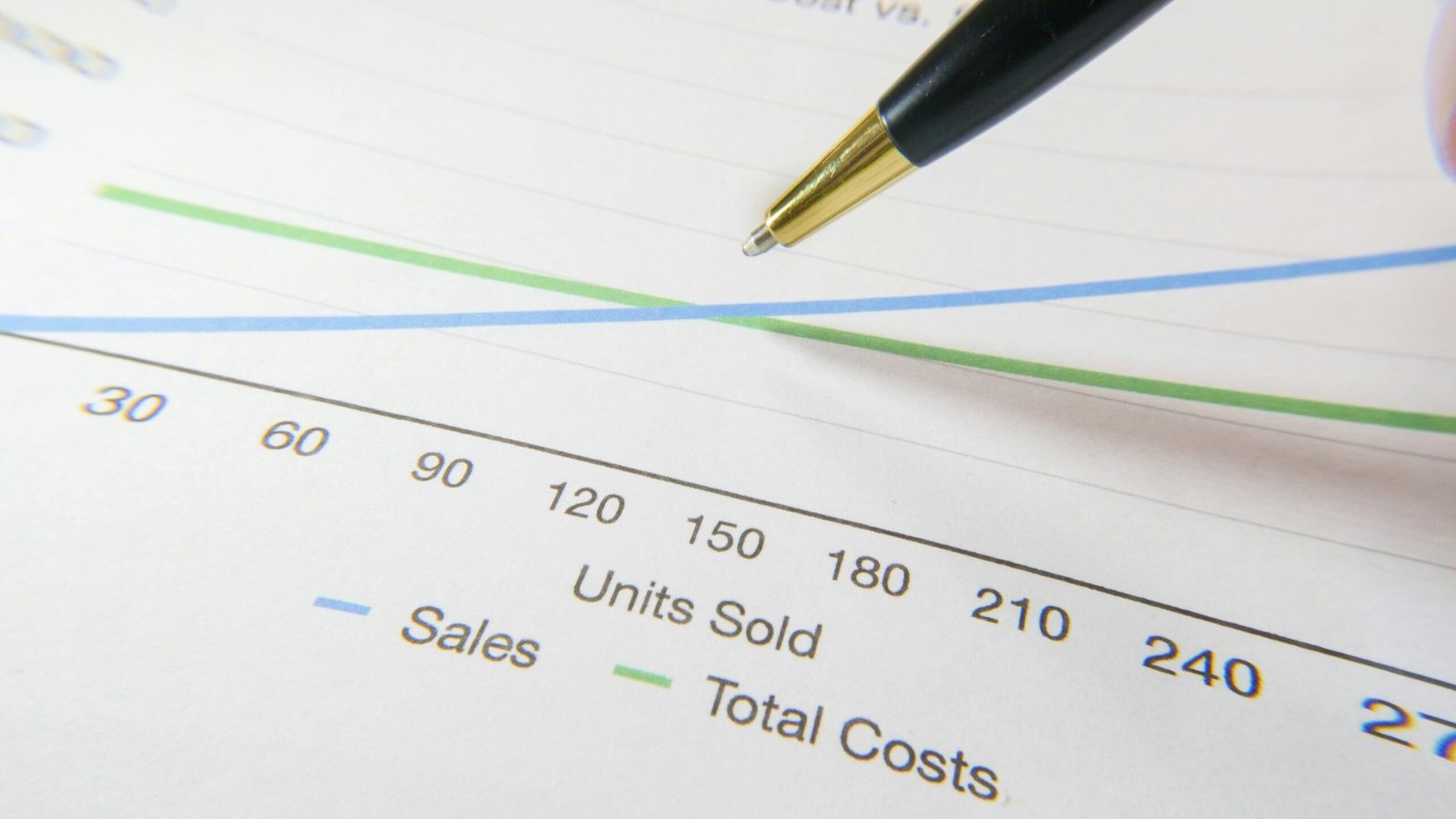
Breakdown of Material Costs
When considering the cost of building a house in Bijnor, it is essential to understand the specific costs associated with various construction materials. In 2026, the prices of construction materials will likely vary due to market demand, availability, and economic factors. Here is a detailed look at common materials that significantly influence overall construction costs.
Cement is a critical component in the construction process, serving as a binding agent. The cost of cement can fluctuate based on local production rates and demand. In Bijnor, obtaining cement from local suppliers may lead to cost savings compared to sourcing from other regions. As of 2026, an anticipated increase in cement prices could impact the cost of building a house in Bijnor, making it necessary to budget accordingly.
Bricks are another fundamental material. The construction industry frequently utilizes clay and concrete bricks, both of which could see variations in pricing due to changes in raw material availability and local manufacturing capabilities. As demand for housing rises, the increased production may drive brick prices upward, making it a crucial factor in total material costs.
Steel is essential for structural integrity, particularly in the foundation and framework of the house. Despite its importance, the steel market is subject to international pricing fluctuations influenced by global demand, tariffs, and supply chain disruptions. Staying updated about trends in the steel industry is prudent for prospective homeowners in Bijnor seeking to control their costs.
Finally, finishing materials such as tiles, paints, and fixtures contribute significantly to the overall budget. The costs for finishes can vary widely based on quality and supply sources. Homeowners should anticipate these expenses, as they can vary greatly between different suppliers and brands.
In conclusion, understanding the breakdown of material costs is crucial for anyone considering the cost of building a house in Bijnor. Being aware of the individual costs associated with cement, bricks, steel, and finishing materials will help prospective builders create a more accurate budget for their projects in 2026.
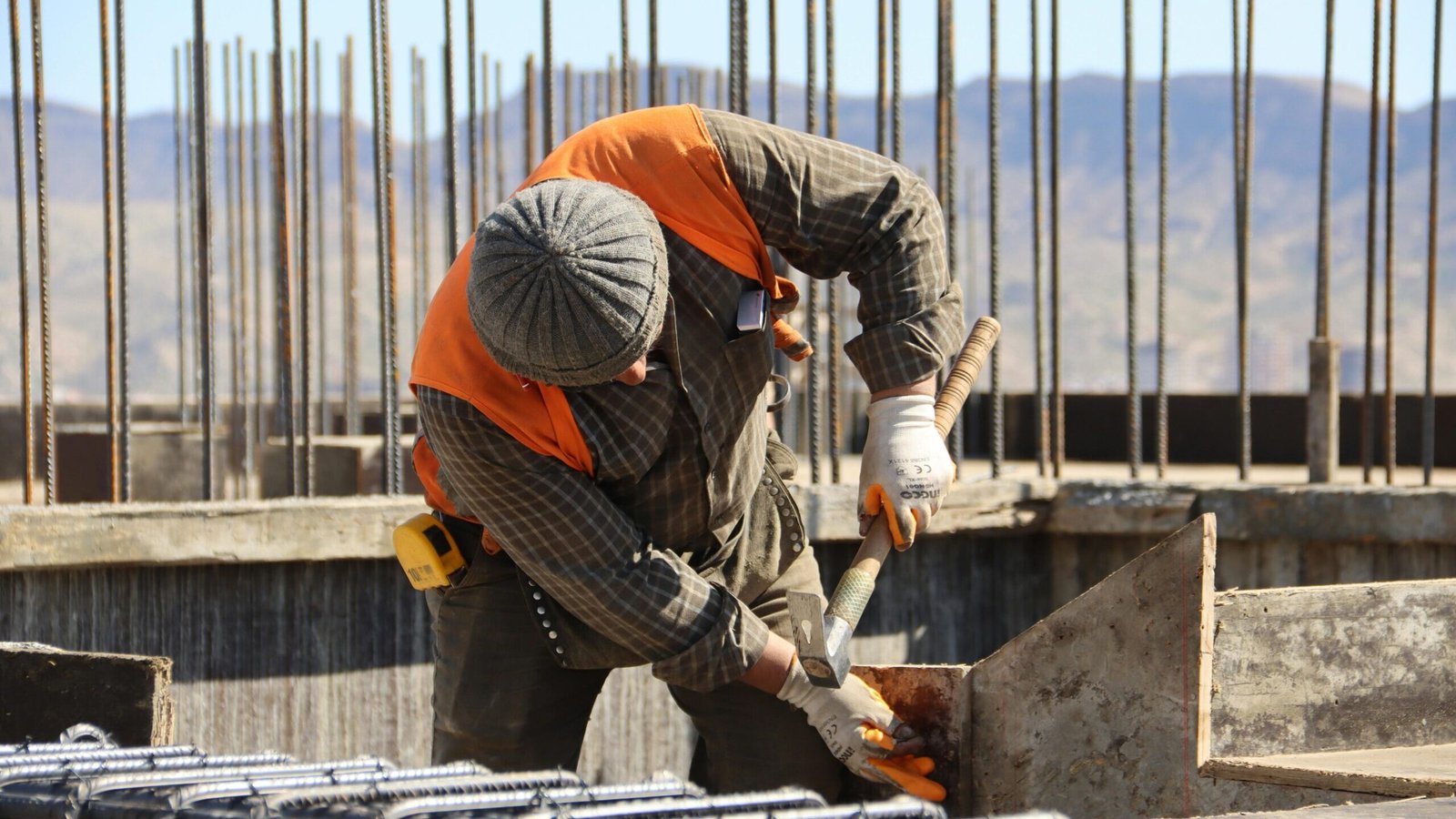
Labor Costs: What to Expect
When planning for the cost of building a house in Bijnor, one of the significant components to consider is labor costs. These expenses can vary based on the complexity of the project, the type of labor required, and current market conditions. In Bijnor, the labor rates may be influenced by several factors, including demand for skilled construction workers and local economic trends.
Typically, labor costs in Bijnor can be categorized into two types: community labor and skilled labor. Community labor often involves unskilled workers who contribute to general labor tasks, such as site preparation and material handling. The rates for community laborers are significantly lower than those for skilled laborers who possess specialized knowledge and experience in fields such as electrical work, plumbing, masonry, and carpentry. It is essential to maintain a balanced workforce comprising both types of labor to stay efficient while managing the overall cost of building a house in Bijnor.
As the real estate market continues to evolve, anticipations for labor costs by 2026 suggest potential fluctuations. As urbanization progresses and the demand for housing rises, the competition for skilled labor may drive up wages. Additionally, factors such as inflation, changes in labor laws, and availability of workers will also play a role in determining future labor costs. Therefore, prospective homeowners should remain aware of these trends and adjust their budget plans accordingly.
Ultimately, understanding the dynamics of labor costs will allow builders and investors to make informed decisions. By keeping abreast of the current rates and forecasting future changes, it is possible to navigate the financing and planning aspects of constructing a new home in Bijnor effectively.
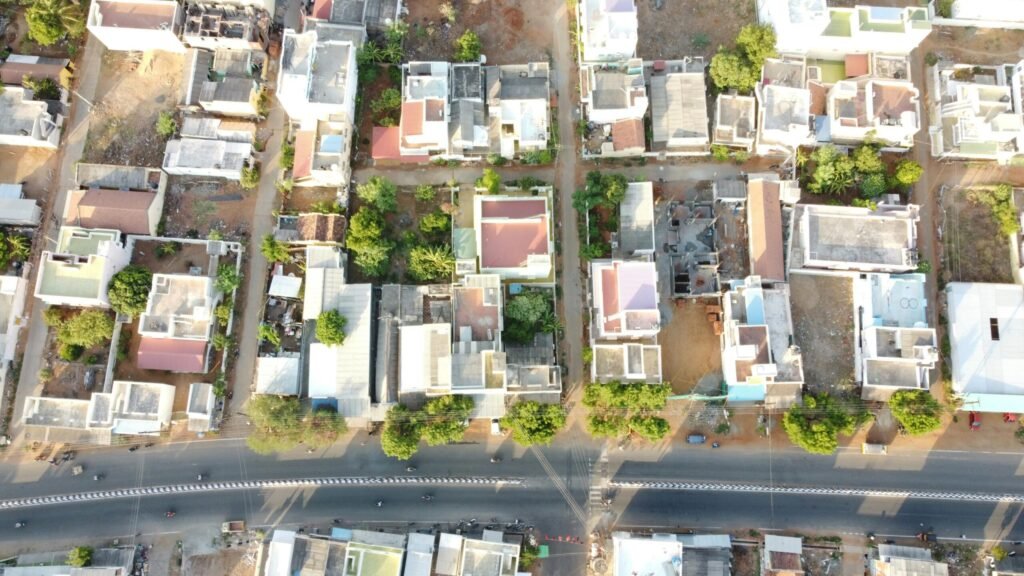
Land Prices and Their Impact
The cost of building a house in Bijnor is significantly influenced by the prevailing land prices in the region. Land serves as the foundation for any construction project, and its cost varies widely based on location, accessibility, and surrounding infrastructure. In recent years, the property values in Bijnor have seen a steady increase due to various economic factors, including population growth and urbanization. Such trends indicate that the cost of land is likely to continue rising as more individuals and families seek to establish a residence in the area.
Furthermore, developments in government policies and local amenities can greatly affect land prices. For example, if new schools, hospitals, or shopping centers are built nearby, the desirability of the surrounding areas increases, resulting in higher demand for plots. As demand escalates, so does the cost of acquiring land, consequently impacting the overall cost of building a house in Bijnor. Prospective homeowners should consider these dynamics when planning their construction projects.
In addition to immediate impacts, potential future changes in land values should also be factored into financial planning. Real estate experts project that as urbanization continues, the demand for housing will push land prices even higher leading up to 2026. Homebuyers should prepare for these fluctuations and incorporate potential increases in their budget for the cost of building a house. Understanding these trends is essential for making informed decisions regarding property investment and construction. As land prices are a key component of overall building costs, prospective homeowners should closely monitor real estate trends as they navigate their construction plans in Bijnor.
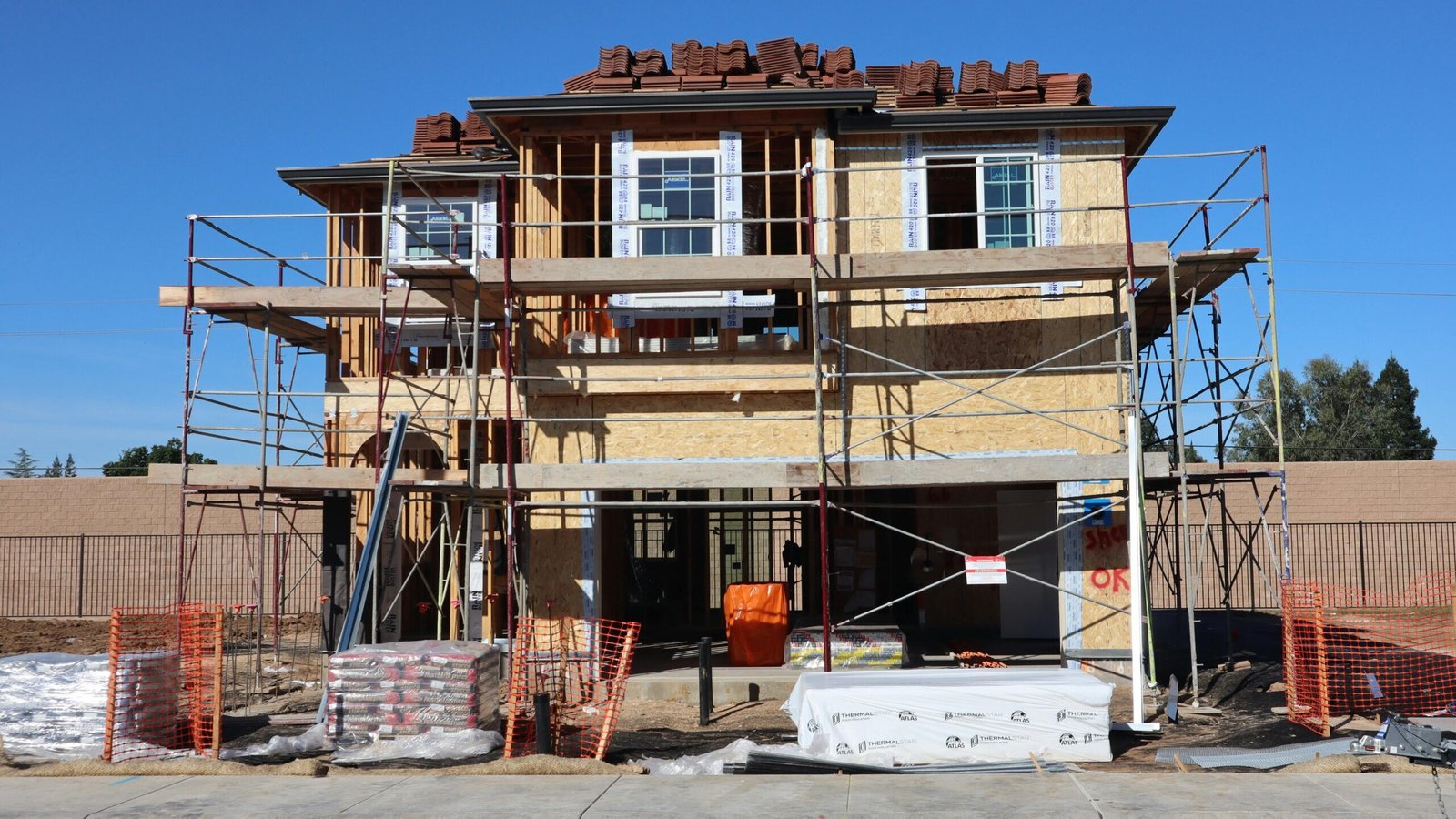
Hidden Costs to Consider
When planning to build a house in Bijnor, it is imperative to account for the hidden costs that can significantly augment the overall expenses. While many project owners focus primarily on the cost of construction materials and labor, they often neglect other essential expenses that can impact the total budget. These hidden costs may include permits, inspections, and utility connections, which can vary depending on local regulations and requirements.
One of the first hidden costs to consider is the permit fees, which are necessary to comply with local zoning laws and building codes. These fees can range widely based on the size and scope of the project. For example, larger homes or complex designs might incur higher fees compared to smaller, simpler structures. Engaging with local authorities early in the planning process can provide clarity on the exact permit costs involved in the cost of building a house in Bijnor.
Additionally, inspections mandated at various stages of construction are another expense that should not be underestimated. Structural, electrical, and plumbing inspections are typically required to ensure safety and compliance. The costs associated with hiring certified inspectors, along with potential re-inspection fees should issues arise, can add to the overall financial burden. Allocating a budget for these inspections is essential to avoid unexpected expenses later on.
Finally, utility connection fees represent another underrated cost that can contribute significantly to the overall cost of building a house in Bijnor. New residential constructions may require connections to water, electricity, gas, and sewage systems. Depending on the distance from existing lines and the local service provider’s policies, these connection fees can be substantial. Therefore, prospective homeowners should engage with utility companies in advance to obtain estimates and ensure all necessary connections are factored into their budget.

Comparative Analysis with Surrounding Areas
The cost of building a house in Bijnor stands as a pivotal consideration for prospective homeowners, especially when juxtaposed with nearby cities and regions. Observations indicate that Bijnor offers competitive pricing compared to neighboring areas such as Muradabad and Amroha. While the per square foot cost in these cities averages around INR 3,200 to INR 3,800, Bijnor presents a more economical option, with costs ranging from INR 2,800 to INR 3,200, depending on the materials chosen and construction methods employed.
Several factors contribute to this variance in construction costs. Land prices in Bijnor are generally lower than in its surrounding counterparts, resulting in a decrease in the overall investment required for new home construction. Furthermore, the availability of local materials is another significant factor that could lead to a reduced cost of building a house in Bijnor. With numerous suppliers sourcing materials from nearby regions, the cost of transportation is minimized, which in turn trims down the final expenses for builders.
In contrast, areas such as Meerut and Dehradun illustrate higher construction costs attributed to their metropolitan status, where land acquisition and labor costs inflate the budget significantly. Additionally, these cities often incur extra charges for compliance with more stringent regulations and higher quality standards, factors that are not as pronounced in Bijnor.
Moreover, the demand and supply dynamics in Bijnor indicate a more balanced market, keeping the costs relatively stable compared to the fluctuations often seen in larger urban centers. This affordability, paired with the emerging development in infrastructure and residential projects, positions Bijnor as a favorable location for individuals looking to construct a new home.
Future Trends in House Building Costs
As we look towards the future of construction, specifically the cost of building a house in Bijnor by the year 2026, several factors are poised to influence these costs. The construction industry is poised for significant changes, driven by economic indicators, evolving government regulations, as well as growing environmental sustainability considerations.
Firstly, economic factors will continue to play a vital role. Inflation rates and interest rates are primary determinants of material costs and labor expenses. As Bijnor develops economically, demand for housing is anticipated to increase, possibly inflating the cost of building a house in Bijnor. Additionally, as the availability of land decreases, competitive bidding for plots is likely to escalate land prices, hence impacting overall construction costs.
Furthermore, governmental regulations are set to shape the construction landscape profoundly. By 2026, stricter building codes and environmental regulations may come into force, reflecting a global shift toward sustainability. Regulatory changes may necessitate the use of eco-friendly materials and innovative construction techniques, which could initially raise costs but ultimately lead to more energy-efficient homes, potentially offering long-term savings to homeowners.
Another crucial trend will be the integration of technology in construction processes. Advances in construction technology, such as Building Information Modeling (BIM) and modular construction, may streamline processes and reduce waste, positively influencing the overall costs of building a house in Bijnor. These innovations could lead to more efficient use of resources and faster project completion times.
Lastly, environmental considerations are growing increasingly significant in shaping the cost of materials. With a heightened focus on sustainability, more builders may gravitate towards renewable resources, impacting pricing structures in the short term but yielding greater environmental benefits in the long run.
Conclusion and Tips for Budgeting
Building a house in Bijnor requires a substantial financial commitment, and understanding the overall cost of building a house in Bijnor is essential for prospective homeowners. This cost encompasses various factors including land prices, materials, labor, and additional fees such as permits and inspections. As detailed throughout this article, the average per sq ft cost can vary significantly based on the materials and design choices you make. Investing in quality materials, while slightly more expensive upfront, can save homeowners money in the long run due to reduced maintenance costs and enhanced durability.
To effectively budget for your project, begin with a comprehensive plan that outlines your needs and preferences. Set a clear budget that covers not only the construction costs but also allows for unexpected expenses, which are common in building projects. For accurate cost estimation, consider seeking advice from professionals in the field such as local builders and architects, and particularly those familiar with the local market dynamics like ua map studio led by Abdul Ahad.
Additionally, it is prudent to create a timeline for your project, which can help manage cash flow and minimize financial strain throughout the process. A contingency fund of around 10-20% of your total budget can provide a buffer against unforeseen challenges. Prioritizing expenses will also help in directing funds toward essential features without straining your budget.
The cost of building a house in Bijnor can be managed effectively with thorough planning and realistic expectations. By adhering to these budgeting tips and remaining informed of market trends, prospective homeowners can increase their chances of successfully completing their dream home within budget. A well-structured plan, coupled with expert guidance, will go a long way in ensuring a smooth building process that meets both financial and personal goals.