Mistakes to Avoid While Building a House: Planning mistakes, Budget issues & Contractor problems | UA Map Studio | Civil Engineer & Property Consultant in Seohara, District- Bijnor |
Understanding Your Budget
Establishing a realistic budget is a crucial first step before embarking on the construction of your home. A well-planned financial outline not only helps in navigating the complexities of building a house but also significantly reduces the likelihood of common mistakes to avoid while building a house. To begin, it is essential to evaluate your overall financial situation. An analysis of your current income, savings, and other assets will provide a clearer picture of what you can reasonably afford.
Essentially, understanding your mortgage capacity is a vital component of this budgeting process. Speak with a financial advisor or mortgage consultant who can assist in determining how much you can borrow without placing undue strain on your finances. Consider using online mortgage calculators to gauge potential monthly payments based on various loan amounts and interest rates.
Moreover, it is imperative to acknowledge potential additional costs that may arise during construction. These can include site preparation, permits, and landscaping, which often surprise new homeowners. To mitigate the impact of unforeseen expenses, it is advisable to set aside a contingency fund. A common recommendation is to allocate approximately 10-15% of your total budget for these unexpected costs. This margin can serve as a financial safety net, allowing you to address any issues that arise without derailing your entire project.
In summary, a thorough understanding of your budget will not only guide your spending but also empower you to make informed decisions throughout the home-building process. By carefully evaluating your financial situation, recognizing additional possible expenses, and preparing a contingency fund, you will significantly decrease the chances of encountering challenges related to budgetary constraints.

Unexpected Expenses During Construction
Building a house is an ambitious undertaking that often involves navigating a multitude of unexpected expenses. One of the most common mistakes to avoid while building a house is underestimating the potential variations in construction costs, which can cause significant financial strain. Fluctuating material prices can dramatically impact your overall budget, particularly when there is a surge in demand or supply chain disruptions. These price increases can occur for essential materials such as lumber, steel, and concrete, making it crucial to stay informed about market trends and incorporate possible fluctuations into your budget.
Labor charges also contribute significantly to unexpected expenses. While you may have a preliminary quote from contractors, labor costs can vary based on the complexity of the project, availability of skilled workers, and local market conditions. It is advisable to build some flexibility into your labor budget to account for overtime pay or additional labor needed for unforeseen issues, which often arise during construction.
Additionally, obtaining the necessary permits and inspections is a critical aspect of the building process that can lead to unanticipated costs. Homeowners frequently overlook the various local fees associated with building permits, zoning regulations, and environmental assessments. Failing to account for these expenses can disrupt your financial planning, which may result in delays and further complications. To mitigate these risks, it is essential to conduct thorough research and allocate a separate contingency fund specifically for permits and fees. By understanding these common pitfalls and planning accordingly, you can navigate the financial landscape with greater confidence and avoid common mistakes to avoid while building a house.

Inadequate Financial Planning
Building a house is a significant financial undertaking that requires careful planning and consideration. One of the most common mistakes to avoid while building a house is inadequate financial planning. Poor financial decisions can derail the entire construction process, leading to delays, substandard work, or even project abandonment. Without a comprehensive financial plan, homeowners may find themselves facing unexpected costs that arise during and after construction.
A well-prepared financial scheme should encompass the entire building process, from the initial design phase to the final touches upon completion. This includes detailed budgeting for materials, labor, permits, and other direct construction costs. However, many homeowners overlook the importance of accounting for post-construction expenses, which can include furnishings, landscaping, and maintenance. Such oversight can strain finances and compromise the overall quality of the home.
To prevent these pitfalls, engaging with financial advisors or builders with experience in construction financing is crucial. They can help in formulating a realistic budget that takes into account potential overruns and hidden costs, thereby providing insight on how to navigate the complexities of financing a new build. Moreover, creating a long-term financial strategy can aid in sustaining the costs associated with home ownership, beyond just the construction phase.
In conclusion, thorough and detailed financial planning cannot be overstated. By establishing a solid financial foundation and anticipating future costs, homeowners can mitigate risks associated with inadequate financial planning, ensuring a smoother construction process and a more successful outcome.

Failing to Evaluate and Adjust the Budget
When embarking on the journey of building a house, one of the most critical aspects is the budget. Unfortunately, many homeowners make the mistake of not evaluating and adjusting their budget throughout the construction process. Focusing on a fixed budget without flexibility can lead to significant issues that may compromise the project’s integrity. Regular budget evaluations are essential to keeping the project on track and ensuring that unexpected costs do not derail your plans.
To avoid common mistakes to avoid while building a house, it is vital to monitor the expenses closely. This includes tracking all costs, such as materials, labor, and any additional expenses that may arise. Implementing a systematic approach to tracking spending will give you a clearer overview of how the project is progressing financially. Utilizing tools like spreadsheets or budgeting software can aid in maintaining an accurate and updated financial landscape.
Communication is another key factor in navigating budget adjustments. It is crucial to keep an open line of dialogue with contractors regarding budget constraints and changes. If modifications are necessary due to unforeseen factors, discussing these with your team promptly can mitigate potential problems down the line. Be transparent about financial limits, so contractors understand the parameters within which they must work.
Furthermore, being adaptable and ready to make necessary adjustments to your budget is imperative. This does not mean compromising on quality but rather reassessing priorities. Perhaps some features may need to be postponed or re-evaluated to align with the current financial situation. Being open to these changes can enable you to manage your budget effectively while work continues on your dream home.
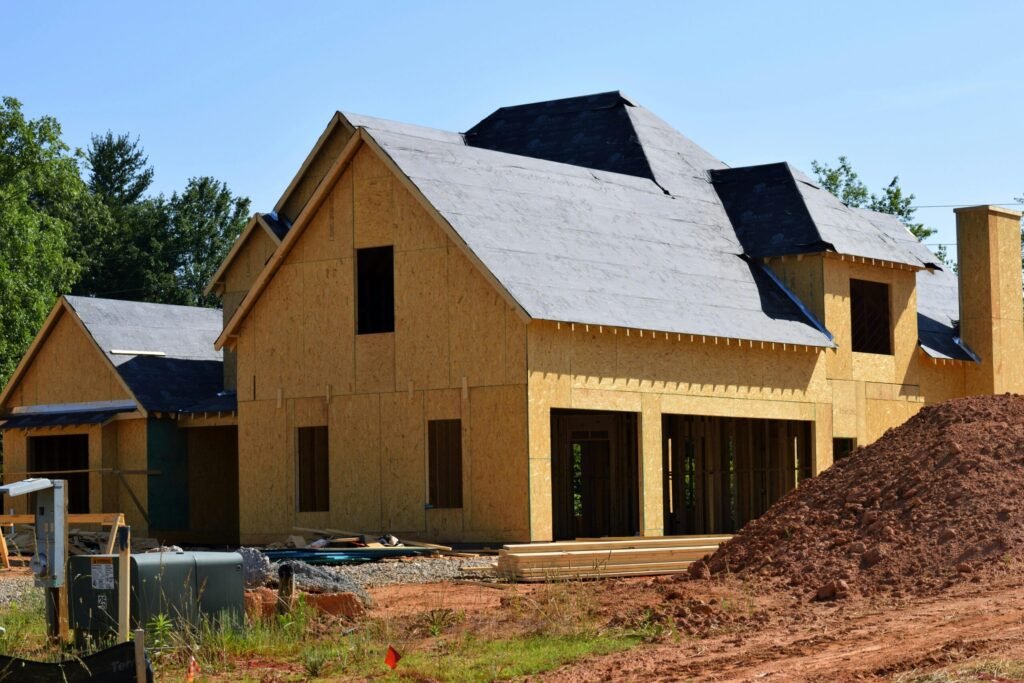
Understanding Planning Mistakes
Effective planning is crucial for achieving goals, whether personal or professional. However, many individuals and organizations make a variety of planning mistakes that can hinder their success. Recognizing these common pitfalls is the first step towards building a robust and successful plan.
Overlooking Objective Clarity
One of the most significant planning mistakes arises from an unclear understanding of objectives. Failing to establish clear, measurable goals can result in confusion and misdirection. It’s essential to define what you want to achieve and communicate these objectives clearly with all stakeholders involved. This clarity will serve as a guide throughout the planning process.
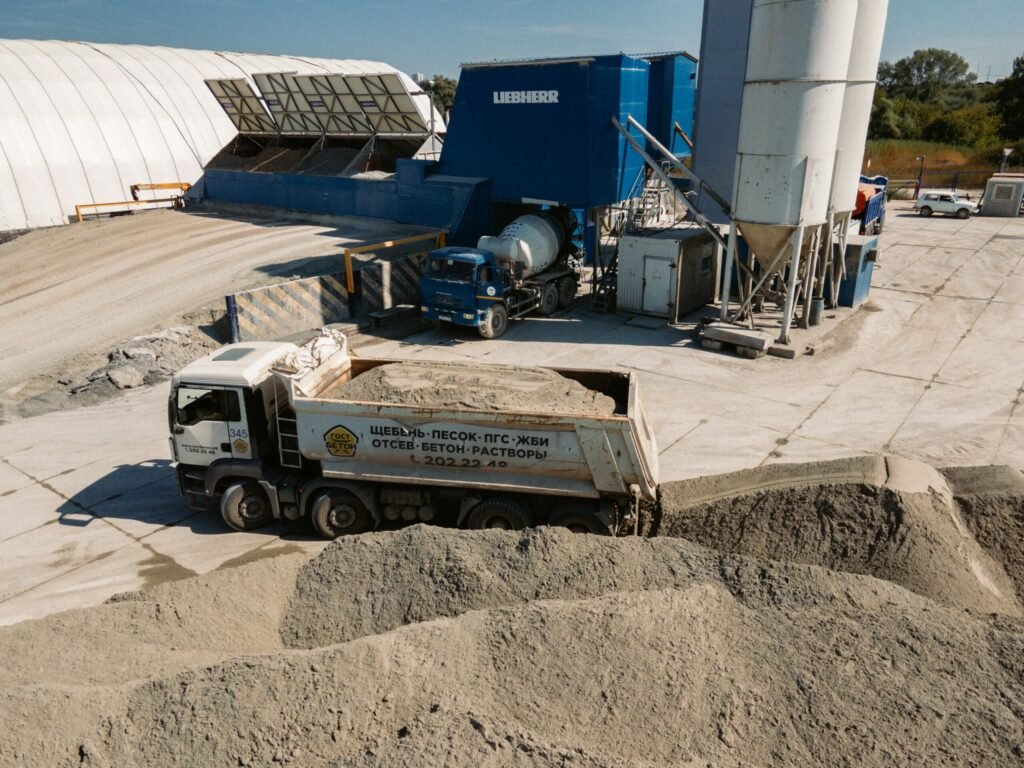
Neglecting to Account for Potential Risks
Another frequent error is the neglect of potential risks and challenges. Many planners tend to focus solely on the positive aspects without considering possible obstacles. By proactively identifying potential risks, you can prepare contingency plans that will help mitigate issues before they arise. This foresight can save valuable time and resources in the long run.
Ignoring Feedback and Assessment
Finally, ignoring feedback is a prevalent planning mistake that can stunt progress. Regularly assessing your plan’s effectiveness and seeking feedback from team members, stakeholders, or trusted advisors can provide valuable insights. Being open to constructive criticism allows for continuous improvement and enhances the overall success of the planning process.
Need Help with Your House Plan or Property?
Don’t make costly mistakes while planning your home or buying property.
Get professional advice from a trusted Civil Engineer & Property Consultant in Seohara.
UA Map Studio Seohara, Dist- Bijnor
Mistakes to Avoid While Building a House: Planning mistakes, Budget issues & Contractor problems | Civil Engineer & Property Consultant in Seohara, District- Bijnor | House Map Planning in Seohara | 3D Elevation & Interior/Exterior Design in Seohara (Bijnor) | Property Buy & Sell in Seohara |
📞 Call Now: 9012584065
💬 WhatsApp Available